
Your Toddler, Our Expertise
Every child develops at their own pace.
Still, many parents find themselves wondering whether certain delays, differences, or behaviors are part of typical development — or something worth exploring further.
This page is designed to help you understand developmental milestones, what variation can look like, and when it may be helpful to seek additional guidance.
Developmental milestones are general skills or behaviors that many children reach within a typical age range. They span several areas of development, including communication, movement, social interaction, and learning.
Milestones are not pass/fail markers. Missing or reaching a milestone early doesn’t automatically indicate a concern. What matters most is how skills build over time and whether progress continues.
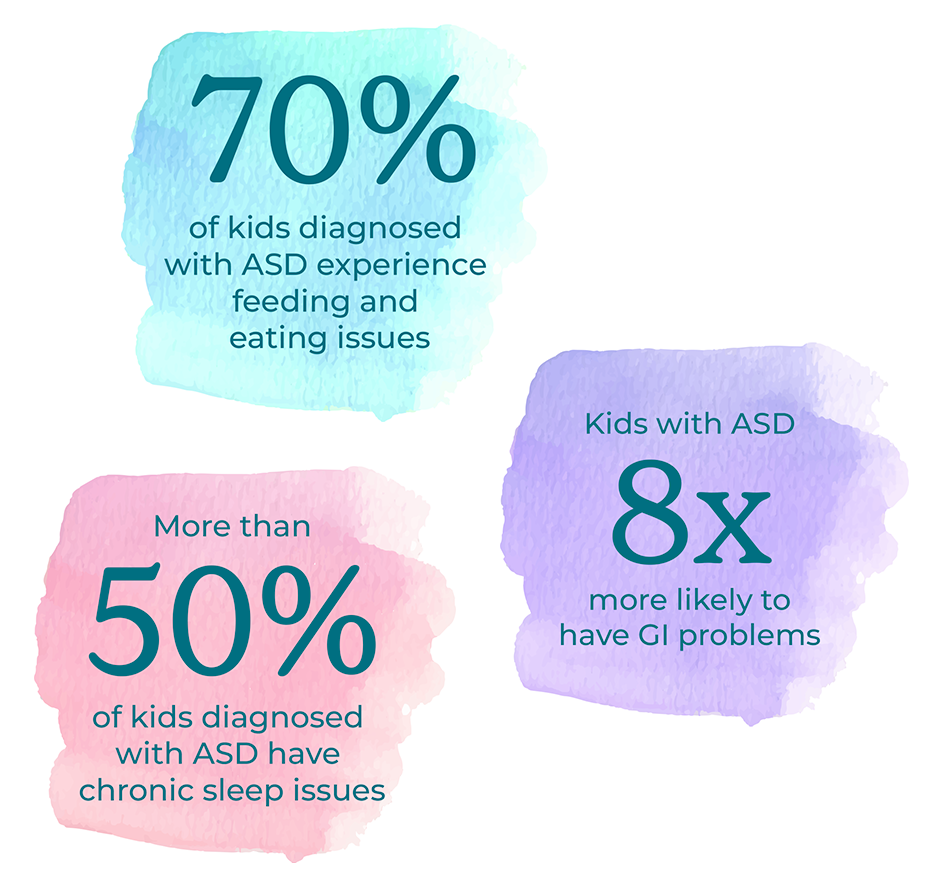
Every child develops at their own pace, but certain milestones can serve as important indicators of their overall development. Here are some key areas we focus on during our evaluations:
Some parents find it easier to understand developmental milestones by hearing them explained in real-life terms. Join Dr. Andrea Loeffert as she walks us through early developmental signs, common questions parents have, and when differences may warrant a closer look.
Speech, gestures, understanding language, and social communication.
Eye contact, engagement with others, shared attention, and emotional regulation.
Gross motor (walking, climbing) and fine motor (grasping, pointing, drawing).
Problem-solving, pretend play, learning patterns, and flexibility in play.
Responses to sound, touch, movement, textures, or changes in routine.
Observing how your child plays, learns, communicates, behaves, and moves offers valuable insights into their growth journey. Developmental milestones are key markers representing what most children (75% or more) typically accomplish by certain ages. Click on an age group below to learn more.
Many families begin to have questions when:
Progress seems to stall or regress
Differences persist across multiple areas of development
Communication or social interaction feels limited
Behaviors interfere with daily routines or learning
Having questions doesn’t mean something is “wrong.” It simply means more information could be helpful.
Developmental milestones are often the starting point for conversations about autism and other developmental conditions.
Autism is not defined by a single milestone or behavior. Instead, clinicians look at patterns across time, considering communication, social interaction, play, and behavior together.
An evaluation helps determine whether observed differences fit within typical variation or suggest the need for additional support.
We work with commercial insurance plans, TRICARE, traditional state Medicaid plans and managed care partners. We are constantly expanding our relationships as we grow. And, as a part of our process, our support team will review a child’s insurance benefits with their parent or guardian before the first appointment.